The basic recipe for a classic cappuccino
The base is a single espresso of around 25 to 30 ml. Hot milk and fine milk foam are added until a cup of about 150 to 180 ml is full. As a rule of thumb: roughly one third espresso, one third milk and one third foam, with today’s foam usually finer and more liquid than it used to be.
Use a pre-warmed, thick-walled porcelain cup. It holds the temperature and lets crema and foam blend beautifully.
Perfect milk foam with a steam wand
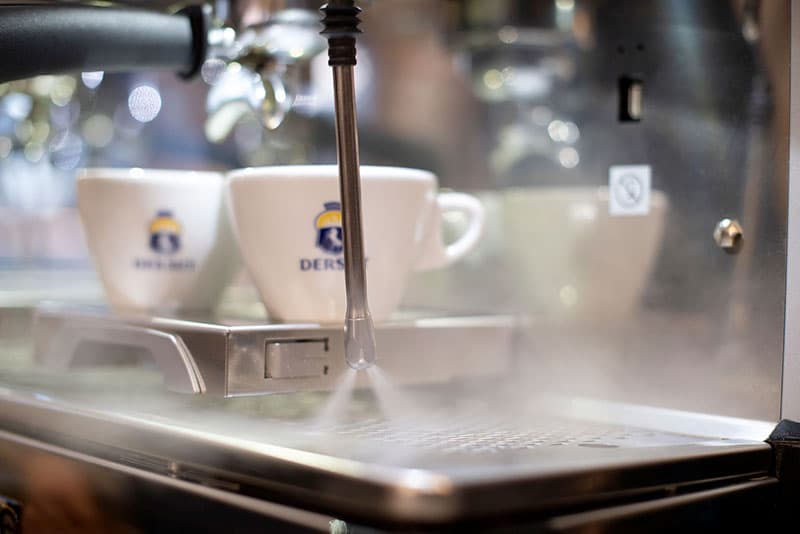
Use cold whole milk straight from the fridge and a cold stainless-steel jug filled about one third. Purge the steam wand briefly, place the tip just below the surface and let in a little air during the first few seconds, until the milk hisses softly.
Once the volume has grown by about a third, lower the wand slightly and let the milk spin until it reaches 60 to 65 °C. At that point the jug becomes just too hot to hold for long. Do not go hotter, or the milk loses its natural sweetness.
- Cold whole milk gives the creamiest foam; lactose-free milk works too
- For plant-based drinks, choose “barista” versions
- After steaming, tap the jug and swirl it until the surface is glossy
- Wipe the steam wand with a damp cloth straight away and purge it
Without a steam wand and with a bean-to-cup machine
You can make good foam without a portafilter machine too: with an electric milk frother, a handheld frother or a French press, pumping the warm milk vigorously up and down. Heat the milk to 60 to 65 °C first, without boiling it.
Many bean-to-cup machines have an automatic milk system. To keep your cappuccino good, rinse it daily and clean it regularly, because milk residue quickly changes taste and foam.
Latte macchiato, caffè macchiato and more
For a latte macchiato, hot milk with plenty of foam goes into a tall glass first, then the espresso is poured in slowly. This creates the typical layers. A caffè macchiato is the opposite: an espresso just “stained” with a spoonful of milk foam.
In Italy, cappuccino is mostly a morning drink; after meals people usually have an espresso. At home, of course, you can enjoy it whenever you like.
Which espresso beans go best with milk?
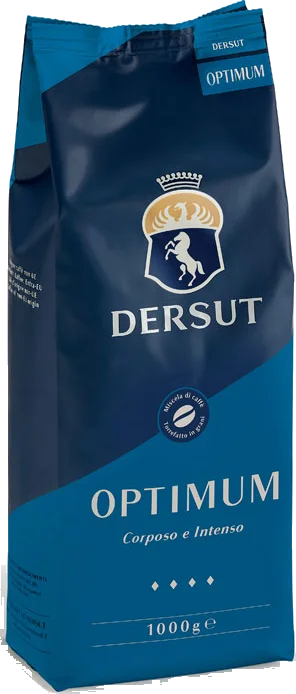
Milk softens aromas and acidity. For milk drinks, choose blends with body, dense crema and notes that pair well with milk, such as cocoa, pastry or nuts. Dersut Optimum Rosso, with cocoa notes and long-lasting crema, is our first recommendation for cappuccino.
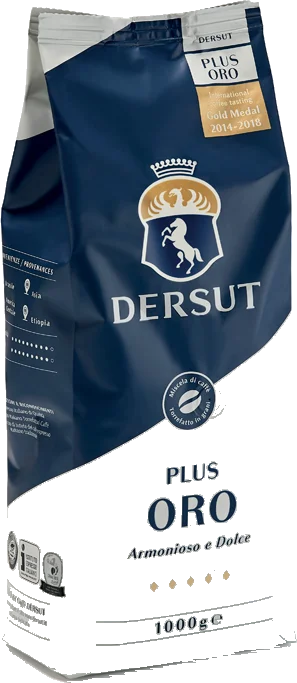
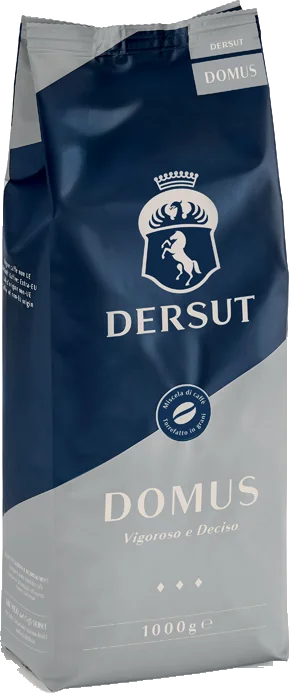
The gold-medal Dersut Plus Oro brings pastry and hazelnut to the cup and makes a particularly round, sweet cappuccino. If you like it strong with plenty of milk, choose Dersut Domus Marrone with intensity 5 of 5. The delicate Non Plus Ultra is best enjoyed straight or as a caffè macchiato. For the espresso itself, read our guide How to make espresso.
FAQ
How hot should the milk be for cappuccino?
60 to 65 °C. Any hotter and the milk loses its sweetness and the foam becomes coarse.
Which milk foams best?
Cold whole milk gives the creamiest foam. Among plant-based drinks, “barista” versions foam much better.
What is the difference between cappuccino and latte macchiato?
A cappuccino is made in a cup with roughly equal parts espresso, milk and foam. A latte macchiato has much more milk and is served in layers in a glass.
Which coffee beans are best for cappuccino?
Blends with body and dense crema, for example Dersut Optimum Rosso or Plus Oro. For a very strong cappuccino, Domus Marrone.